Water Heater Repair Guide for Homes, Safety, Costs, and Care

Introduction
Homeowners who need a consistent supply of hot water for comfort and hygiene should know how to fix their water heater. A working water heater is an important part of modern life, even if you don’t think about it. It helps with everything from morning showers to cleaning the kitchen and doing the laundry. When problems come up, they can mess up routines and make people stressed out, especially if the problem comes up out of nowhere. Homeowners may make smart choices and avoid wasting money by learning how water heaters function, why they break down, and how to fix them. This article goes into great detail on fixing water heaters. It talks about different kinds of heaters, typical problems, safety issues, maintenance tips, repair prices, and long-term care, all in a way that is easy to understand and useful.
Understanding How Water Heaters Function
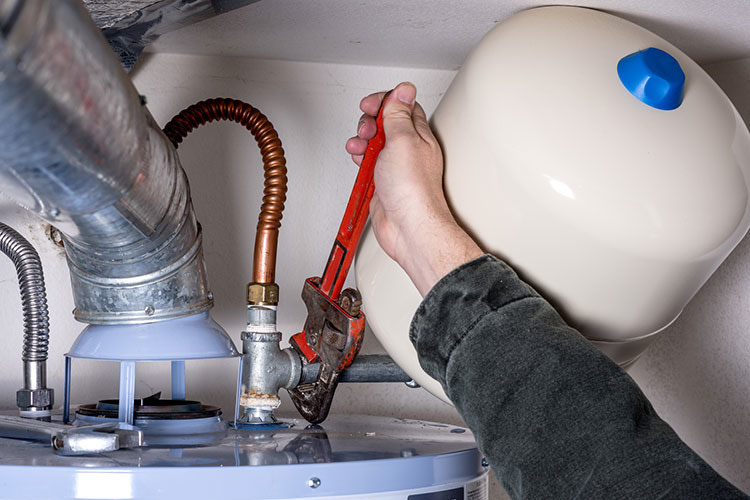
Before you start fixing a water heater, it’s a good idea to know how it works. Most home systems keep water in a tank and heat it with electricity, gas, or sometimes even solar energy. The tank gets cold water, heats it to a specific temperature, and then sends it to faucets and appliances when needed. On the other hand, tankless systems heat water when you need it, not when you don’t. Every design contains certain parts, like heating elements, thermostats, valves, and safety controls. If any of these parts stop working, you need to fix the water heater so it works and is efficient again.
Signs That Your Water Heater Needs Repair
Water heaters don’t often break down without notice. There are typically clear symptoms that your water heater needs to be fixed. One of the most prevalent signs is that the water temperature changes quickly, going from hot to lukewarm or cold. If you hear strange sounds like popping or rumbling coming from the tank, it could mean that sediment is building up or the tank is getting too hot. If there are leaks around the base of the heater, it could mean that the valve is broken or that the inside is rusting. Water that is discolored or rusty may mean that the tank is breaking down. If homeowners notice these early indicators, they can fix their water heater before it breaks down completely.
Different Kinds of Water Heaters and Things to Think about Before Fixing them
Different kinds of water heaters need different ways to fix them. Electric water heaters use heating elements and thermostats, which are parts that may be replaced. Gas water heaters have burners, pilot lights, and gas valves, so you need to take extra safety precautions when fixing them. Sensors and electronic controls are used in tankless systems, which makes diagnosing problems more complicated. Solar water heaters are more complicated since they have collectors and circulation systems. Knowing what kind of system is in a home will help you figure out if fixing the water heater is a simple job or a more complicated one that needs the services of a professional.
Things to Do to Stay Safe While Fixing a Water Heater
Safety is very important when fixing a water heater. If you don’t handle them well, water heaters can be dangerous because they use electricity, gas, high temperatures, and pressurized water. Power or gas should be turned off before any inspection or repair is done. To avoid scorching or rapid discharge, the water pressure should be lowered. When using gas heaters, you need to make sure there is enough air flow to keep dangerous fumes from building up. Even experienced homeowners should be careful when fixing a water heater because doing it wrong can hurt someone or make the system worse.
Finding the Right Problems with Your Water Heater
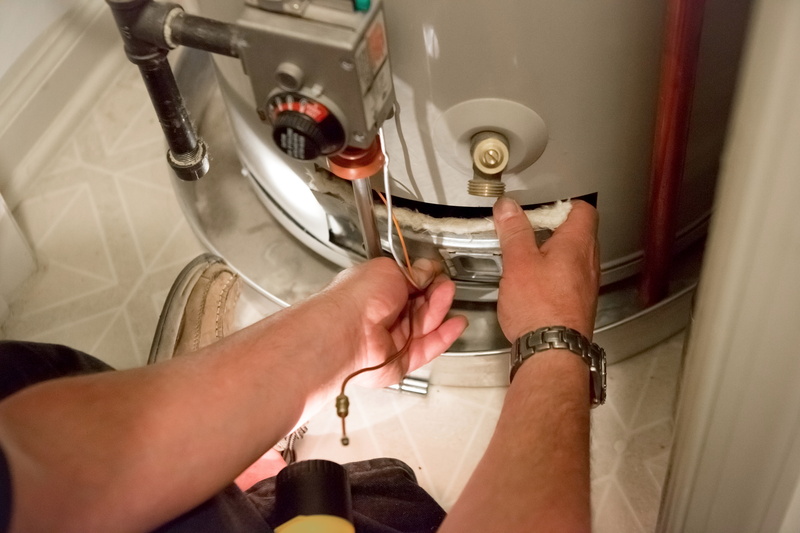
A correct diagnosis is the first step in fixing a water heater. It’s crucial to find out what the real problem is instead of just assuming, since many problems have the same signs. For instance, a broken heating element, a faulty thermostat, or a tripped circuit breaker could all be to blame for not having hot water. It could be that the tank itself isn’t leaking, but rather the fittings that are loose. Homeowners or experts may find the specific problem and choose the best way to fix it by carefully looking at parts and watching how the system works. This saves time and money.
Fixing a Water Heater Yourself vs. Hiring a Pro
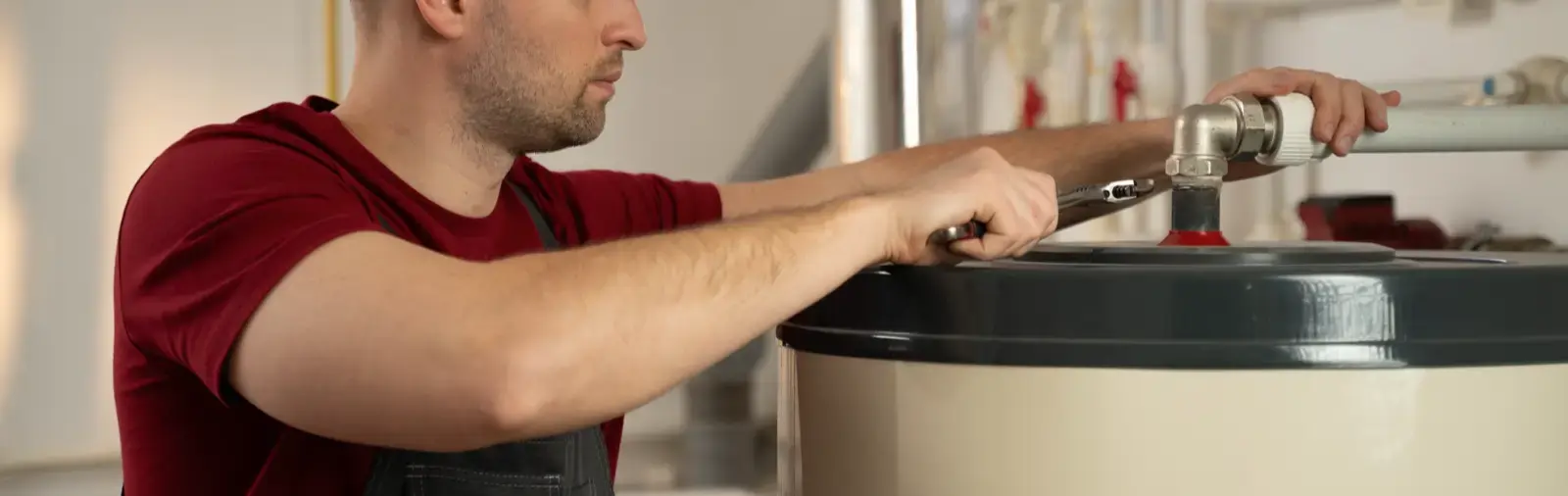
One of the most common questions homeowners have is if they should try to fix their water heater themselves or hire a contractor. People with minimal technical abilities may be able to handle little chores like resetting a thermostat, tightening fittings, or replacing parts that are easy to get to. Gas lines, internal tank corrosion, and electrical wiring are all examples of complicated problems that should only be handled by skilled personnel. Not only does professional water heater repair keep you safe, but it also keeps your warranty in effect and makes sure you follow local laws.
Things that affect the cost of fixing a water heater
There are a number of things that affect the cost of fixing a water heater. The total cost depends on the type of heater, how bad the problem is, and how much the parts cost to replace. Replacing a thermostat is usually not too expensive, but fixing a tank leak may be very expensive and sometimes it’s preferable to just replace the whole thing. The cost of labor also depends on where you are and who you hire. Knowing these costs might help homeowners plan for water heater repairs and prevent having to pay more than they intended.
Preventive Maintenance to Cut Down on the Need for Repairs
Regular maintenance is very important for keeping your water heater in good shape and decreasing the need for repairs. Flushing the tank every so often helps get rid of silt that can build up and make things less efficient and harm parts. Checking the pressure relief valve makes sure that it works safely. Checking the anode rods helps keep the tank from rusting. Descaling is necessary for tankless systems to keep them working well. Preventive maintenance makes the heater last longer and lowers the chance of it breaking down suddenly, which would require immediate water heater repair.
Effects on the Environment and Energy Efficiency
Fixing a water heater is not just about getting it to work again; it’s also about making it more energy-efficient. Heaters that have broken parts may use more energy than they need to, which raises utility bills and harms the environment. Fixing or replacing damaged parts can bring things back to their best and cut down on energy waste. Sometimes, replacing key parts during water heater repair can make the system work better, which means using less energy and leaving a smaller carbon impact.
When it’s Better to Replace Than Fix
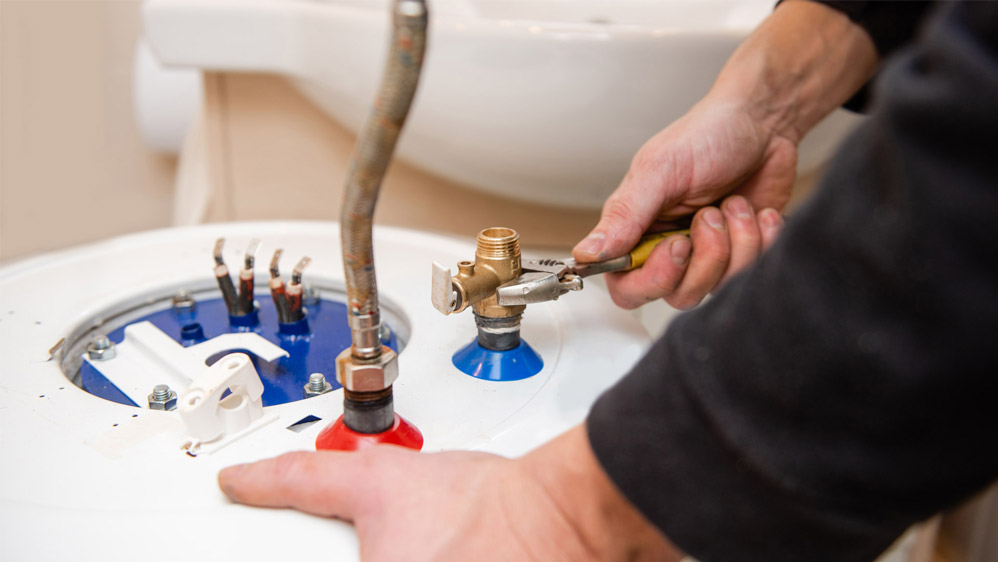
Repairing a water heater can fix a lot of problems, but there are times when replacing it is the better option. Heaters that are getting old and are close to the end of their expected life often have problems. If your tank is corroded a lot or leaks a lot, repairs may only be a temporary fix. In these situations, buying a new system can make things more reliable, more efficient, and save you money in the long run. Homeowners need to know when to replace their water heater instead than fixing it.
Why it’s Important to Fix Your Water Heater Quickly
If you put off fixing your water heater, it could get worse over time. Even little leaks can harm floors and walls with water. When little portions of a system fail, it can put stress on other parts, which can lead to bigger failures. In the worst circumstances, heaters that aren’t taken care of might be dangerous since they can leak gas or build up pressure. Fixing a broken water heater right away protects the home, makes sure the hot water stays hot, and stops small problems from becoming big, expensive ones.
Picking the Right Person to Fix Your Water Heater
To get good results, it’s important to choose a qualified technician to fix your water heater. Technicians with experience know how to work on different types of heaters and follow safety rules. They can provide you precise diagnoses, suggest the best fixes, and make sure that replacement parts are installed correctly. People who own homes should look for professionals who are licensed, insured, and have a solid reputation. The correct service provider can make fixing a water heater easy and stress-free.
After Fixing the Water Heater, Long-Term Care is Needed
After fixing the water heater, it needs regular maintenance to keep working well. Keeping an eye on the water temperature settings can help keep the water from getting too hot and wasting electricity. Regular checks might find indicators of deterioration before they get worse. Cleaning and making the space around the heater easy to get to lets air flow properly and makes repairs easier. Homeowners can make their water heaters last longer and have reliable hot water for years by following these simple steps after a repair.
Conclusion
Fixing a water heater is an important part of keeping a home in good shape since it affects comfort, safety, and efficiency. Homeowners can avoid extra costs and problems by learning how water heaters function, spotting warning signs early, and acting quickly. No matter if you’re doing small repairs yourself or hiring a professional, making smart choices makes a big difference. If you take care of your water heater properly, it won’t need to be repaired as often. This will provide you peace of mind and a steady supply of hot water.
Read More:- California Kitchen Design Ideas for Modern and Timeless Homes