
Introduction
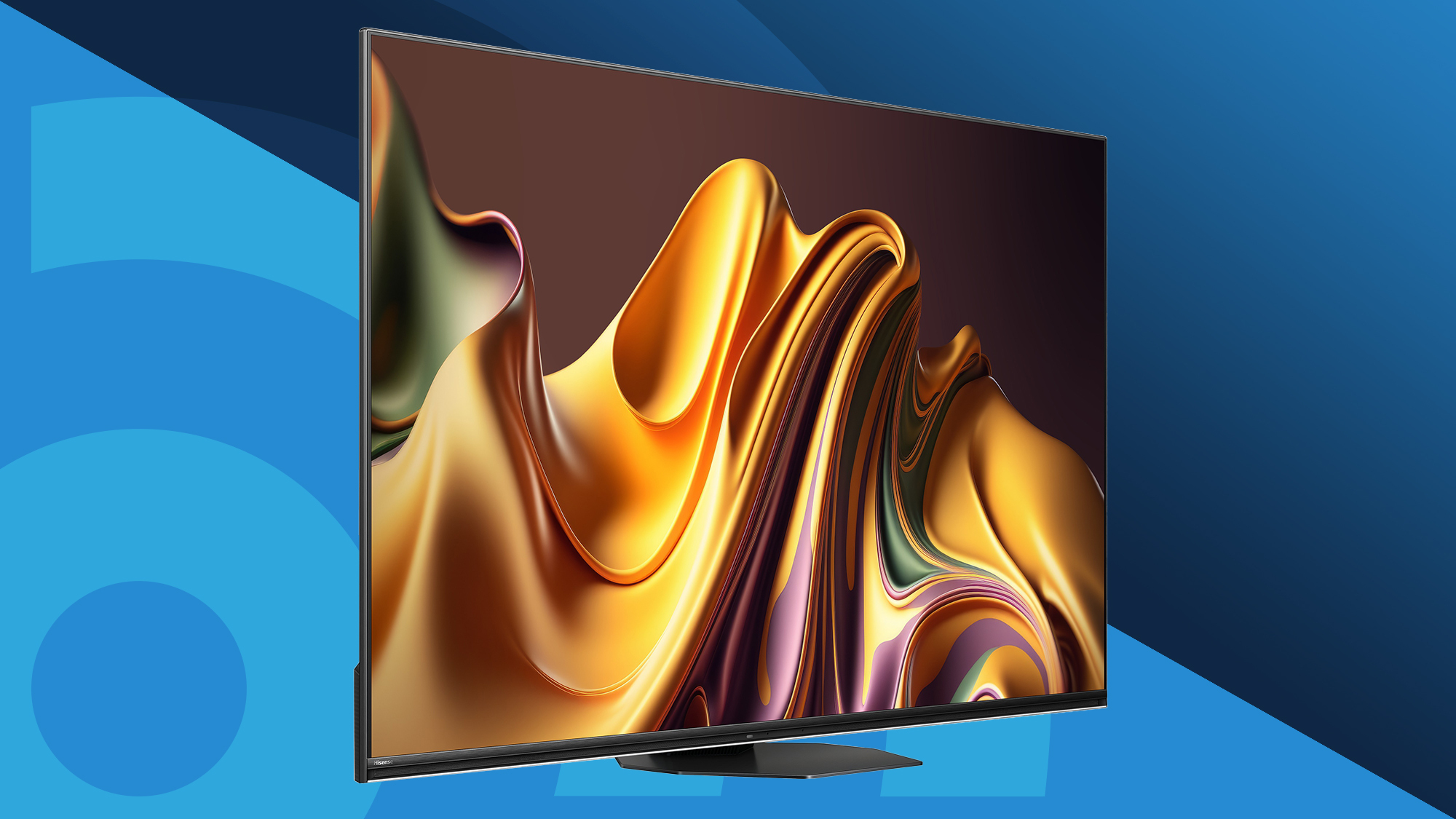
Over the past 20 years, the TV business has changed a lot. It has gone from big, heavy cathode ray tube models to ultra-thin, high-performance screens that show images in stunning detail. Mini LED TV technology is one of the most important new technologies of the last few years. It fills the gap between regular LED displays and high-end display formats. This enhancement is not just a buzzword; it really does make a big difference in how images are made, controlled, and seen by viewers. This technology has changed what people expect from home entertainment systems of all prices and uses by focusing on better brightness control, better contrast, and better lighting.
Mini LED technology came along because more and more people wanted higher picture quality without having to pay a lot for other high-end options. It improves typical LED backlighting by using hundreds of tiny light sources, which lets you regulate brightness zones more precisely. This makes pictures look more alive, dynamic, and immersive, bringing TV viewing closer to movie standards than ever before. Display technology needs to keep up with the improvements in streaming services, gaming consoles, and broadcast requirements. Mini LED TV models are an important step in that process.
Comprehending the Fundamental Principle of Mini LED Displays
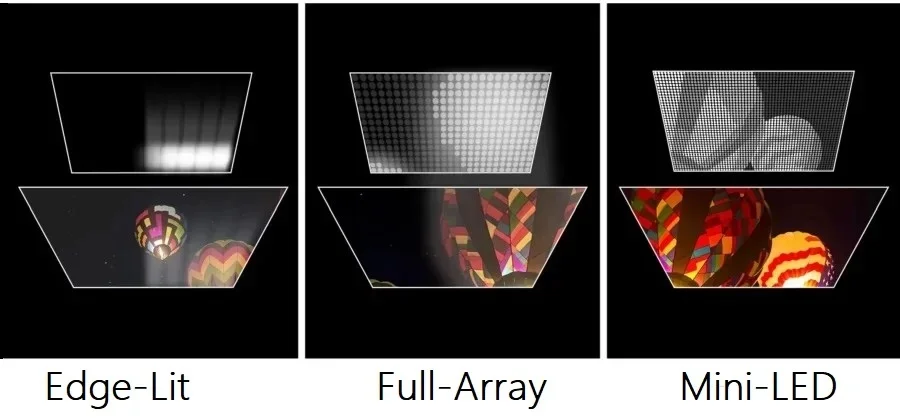
A major modification in the architecture of backlights is what makes tiny LED technology work. Traditional LED TVs employ big LEDs that are only in a few places, which can make the brightness uneven and make bright objects look like they have halos surrounding them on dark backgrounds. On the other hand, mini LEDs are much smaller, which lets manufacturers put thousands of them beneath the screen. This higher density allows for many more local dimming zones, which lets the TV control exactly which parts are brightened or darkened at any particular time.
One of the most essential things that affects how good an image looks is how well it contrasts with other images. When a scene has both bright highlights and deep shadows, the display can make the highlights very bright while keeping the darkest areas really dark. Because of this, pictures look fuller and more three-dimensional. The better backlight accuracy also cuts down on light bleed and blooming, which are common problems that can take viewers’ attention away from high-contrast situations.
Mini LED TV technology doesn’t change the LCD panel itself, but it does make the light that comes through it much better. This difference is essential because it means that the technology builds on what is already being done in manufacturing while also making a big difference in performance. The end result is a display solution that strikes a compromise between being new and being able to grow, which makes it available to more people.
Better picture quality and visual performance
One of the best things about tiny LED TVs is how much better the picture quality is. Compared to regular LED TVs, these TVs are much brighter, which is great for watching in bright rooms. High brightness keeps images bright and clear even when you watch them during the day. It also cuts down on glare and keeps colors true.
Another great thing about it is how well it handles contrast. The display may change dynamically to fit the material being shown since it has hundreds of local dimming zones. Dark sequences in movies keep their details without being washed out, and brilliant moments keep their clarity without making the picture too bright. This balance makes the watching experience feel real and immersive, not fake or forced.
Better illumination also makes colors look better. Colors look more constant across the screen since the brightness is spread out more evenly. Fine details and subtle gradients are kept, which makes landscapes, skin tones, and special effects look more lifelike. These changes make tiny LED technology especially appealing to people who care about high-quality content presentation and cinematic imagery.
How it affects high dynamic range content
High Dynamic Range (HDR) content is becoming a common part of modern entertainment. It has a wider range of brightness and colors than older formats. Mini LED TV technology is great for HDR because it can show both very brilliant and very dark colors at the same time. This combo is necessary to show off the full potential of HDR movies, TV shows, and games.
When you watch HDR material, everything like sunshine, reflections, and explosions look more real and powerful. At the same time, you can still see the subtleties in the shadows without sacrificing depth. This balance makes sure that scenes feel more like how the people who made them wanted them to. The improved local dimming features also cut down on artifacts that can make HDR look worse, which makes the transitions between light and dark areas smoother.
Display technology need to be able to keep up with the changes in HDR standards. Mini LED TV designs give the hardware base that sophisticated HDR formats need to work, making sure that the TVs will last a long time and work with new content releases in the future.
Benefits for Gaming Experience and Performance

Gaming has become a big part of display innovation, and tiny LED technology provides a lot of benefits for gamers. Faster response times, better contrast, and higher brightness all help make the graphics sharper and the gameplay more immersive. Sharp details and less motion blur make action-packed situations better, which makes both competitive and leisure gaming more fun.
Local dimming is very important for gaming performance because it makes dark situations easier to see. Players can see details in dark places without losing picture quality. In some types of games, including adventure and shooter games, where clear visuals are important, this can provide you a little but important edge.
Also, many small LED TVs have modern gaming features including high refresh rates and variable refresh technology. These characteristics, along with enhanced backlighting, make gameplay smooth and responsive, which makes it feel fluid and interesting. This technology is a great option for gamers who want a display that works well on a variety of devices.
Things to Think about for Comfort and Eye Care While Watching
Looking at screens for a long time might hurt your eyes, especially if the brightness is uneven or there is too much glare. Mini LED technology fixes some of these problems by making the light more even throughout the screen. This homogeneity makes unexpected changes in brightness less likely, which can be uncomfortable when watching for a long time.
Better contrast also implies that the screen doesn’t need to be very bright to stay clear. You can still see dark areas without having to make the whole screen brighter, which can be hard on the eyes. This balanced approach makes watching TV more pleasant, especially for families that use their TV for long periods of time.
As more people learn about how to take care of their eyes, display technologies that put comfort first are becoming more and more significant. Mini LED TVs fit in nicely with this trend because they improve picture quality without hurting the health of the viewer.
Design, Quality of Construction, and Looks
People want modern TVs to look good in their homes as well as work well. Mini LED TVs frequently have narrow profiles and sleek designs that fit in perfectly with modern living environments. Manufacturers may make thinner panels without losing brightness or durability by using smaller LEDs.
This technology also does a great job with build quality. Advanced backlighting systems need precision engineering, which makes displays that are strong and well-made. These TVs are built to last and keep working well even after long periods of use. They are good for both dedicated home theaters and living rooms that are used for more than one thing because they are both durable and look good.
More and more people see TVs as long-term investments, thus the design and build quality are quite important when making a purchase. Mini LED technology helps this transformation by providing both great visuals and physical improvements.
Balance Between Performance and Energy Efficiency

Energy efficiency is a big concern in modern electronics, and tiny LED technology has some big advantages in this area. Because you can adjust the illumination more precisely, only the parts of the screen that need to be bright are lit up. This tailored method uses less power overall than screens that use uniform backlighting.
The improvements in efficiency don’t hurt performance. In fact, sophisticated lighting control lets the display consume less energy while yet giving it better brightness and contrast. This balance fits perfectly with global initiatives to cut down on energy use without hurting the user experience.
For people who care about the environment, the energy efficiency of small LED TV technology makes it even more appealing, making it an ethical choice along with its visual benefits.
Comparing it to Other Types of Displays
There are many different types of display technology on the TV market, and each has its own pros and cons. Mini LED technology is unusual because it combines many of the best features of high-end displays with easier access. It has better brightness and contrast than regular LED TVs, and it doesn’t have some of the problems with cost and longevity that other high-end options do.
This balance makes it a good choice for people who desire high performance without spending a lot of money. The technology also gives you a platform that is ready for the future and can handle changing content standards and viewing trends.
Mini LED TVs have become quite popular in the crowded display market because they fix typical problems with regular LED displays and meet the needs of a wide variety of customers.
Using it Every Day and for Content Consumption
People now watch TV not only through regular broadcasts but also through streaming, gaming, and interactive content. Mini LED technology works well with this variety since it works the same way with all kinds of media. Viewers have better clarity and depth when they watch movies, sports, or documentaries.
High brightness and fast response times are especially good for sports programming. Motion looks smoother, and even when the camera moves quickly, details are clear. This makes watching more fun and interesting, especially for live events.
The technology’s ability to adapt is also useful for everyday use. The display may change how it works depending on what is being shown, so you don’t have to keep making manual changes to get the best visuals. This ease of use makes users happier and makes the technology more appealing.
Value Over Time and in The Future
Buying a TV is often a long-term choice, and how useful it will be in the future is an important one. Mini LED TV technology is a great base for future improvements in content and programming. It works with new standards because it can handle high brightness, advanced HDR, and modern gaming capabilities.
Mini LED designs are likely to stay important as display technology continues to improve because they may be made larger or smaller. Without modifying the basic principles of the technology, manufacturers can improve and develop it even further. This flexibility makes it a good alternative for people who want their buy to last a long time.
Mini LED displays are a good investment for a lot of people because they are high-performing, energy-efficient, and ready for the future.
The Rise in Popularity of Mini LED Technology
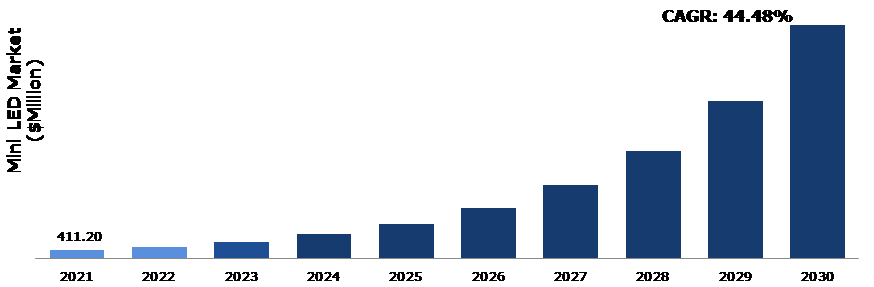
The quick uptake of tiny LED technology shows how customer expectations are evolving. Thanks to improvements in content generation and dissemination, viewers today want more realistic and immersive images. Mini LED TVs address these needs by making displays look better than older ones.
Companies are still putting money into this technology, making backlight control and panel integration better to get even better outcomes. The technique is getting more and more popular as manufacturing increases and costs stabilize.
This increased acceptance shows that the market is moving toward displays that put performance and accuracy first. Mini LED technology is at the vanguard of this change, which will change how people watch TV in the future.
Conclusion: On the Mini LED TV Innovation
The rise of small LED TV technology is a big step forward in display design, and it has real benefits that make watching TV more enjoyable. It gives a high-quality experience that meets the needs of modern entertainment by making things brighter, more colorful, and more efficient.
The technology works perfectly for a wide range of uses, from movie nights to immersive gaming sessions. It strikes a good mix between performance and accessibility, making it a great choice for anyone who want high-quality pictures without too much hassle.
Mini LED technology will always be an important step forward in the TV industry, bridging the gap between old-fashioned displays and the future of home entertainment.
Read More:- Modern Crystal Chandelier Design Guide for Elegant Interior Spaces