
Home Decor Stuff or Auspicious Purchases? Understanding Why Brass Holds a Special Place in Homes

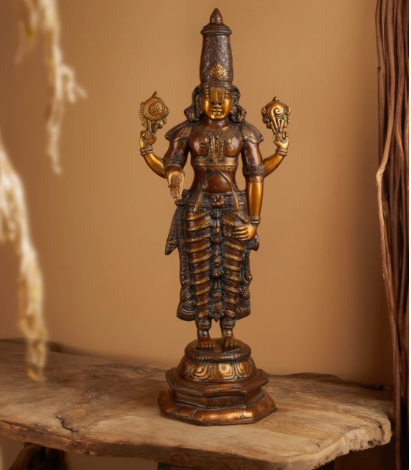
Festive home shopping in India is rarely a single exercise. A family preparing for Diwali may clean the puja space, replace an old diya, buy utensils on Dhanteras, rearrange the living room, and look for gifts for relatives. These purchases may happen within the same week, but they are not driven by the same intention.
Brass often appears across this mix, which is why it deserves more than a passing mention in a list of festive home decor stuff. Its place in Indian homes connects religious practice, household use, metal craftsmanship, and interior aesthetics. Understanding those distinctions helps explain why one brass object may be bought for worship while another is selected purely for its sculptural appeal.
Why Brass Has a Place in Indian Religious and Domestic Traditions
Brass is familiar in Indian households through objects such as puja lamps, bells, plates, and ritual vessels. These are functional objects used in particular practices, not simply decorative accessories. Brass has also been used to create images of deities and figures from religious and cultural traditions.
This history gives brass a context that many contemporary decorative materials do not automatically carry. However, its significance should not be reduced to the claim that every brass object is auspicious. The meaning depends on the object, its form, the tradition in which it is used, and the household’s intention.
The distinction is especially relevant during the festive season, when people may be buying both ritual essentials and home decor stuff at the same time.
Dhanteras Purchases and Diwali Puja Purchases Are Not the Same
Dhanteras is associated with Dhanvantari and, in many communities, the purchase of gold, silver, utensils, or other metal goods. The specific customs differ across regions and households. Diwali preparations, meanwhile, include worship practices that may involve cleaning the puja area, arranging lamps, and preparing offerings.
Brass can feature in both contexts, but it would be misleading to describe buying a brass sculpture as a universal Dhanteras custom. A family purchasing a brass utensil, a diya for aarti, and a deity image is making three different kinds of decisions.
A useful distinction:
- Dhanteras shopping: Often associated with acquiring precious metals, utensils, or other household goods, depending on family and regional custom.
- Puja purchases: Selected for a specific ritual purpose, such as lighting a lamp or arranging worship items.
- Decorative purchases: Chosen for craftsmanship, subject, scale, or the way an object relates to the interior.
This distinction makes festive buying behaviour easier to understand without turning varied customs into one blanket rule.
Brass Murti vs Brass Sculpture: What Is the Difference?
The terms are sometimes used interchangeably in product descriptions, but they do not always mean the same thing.
A brass murti represents a deity. Its iconography, posture, attributes and intended use matter because the figure has a religious identity. A decorative brass sculpture may depict an animal, a human figure, or a subject chosen for its artistic form. It may have cultural associations without being an object of worship.
For example, a representation of Hanuman or Krishna carries a different context from a sculpture of a running horse or an elephant. Even a deity figure can be purchased for display rather than formal worship. Buying a statue does not, by itself, establish that it has been consecrated or that it is being used for ritual purposes.
For buyers, the practical question is simple: are you choosing the piece for worship, cultural meaning, craftsmanship, or interior decoration? The answer should guide its selection and placement.
Where Do Brass Sculptures Fit in a Contemporary Indian Home?
The placement should follow the object’s purpose rather than a generic rule about where brass belongs.
- Puja space: A deity image or ritual object should be selected and placed in accordance with the household’s own worship practices.
- Entrance console: A non-ritual sculpture can serve as a focal object, provided its size works with the furniture and circulation space.
- Living room: A larger sculpture may sit on a sideboard or display surface, where its form can be seen without overcrowding the arrangement.
- Bookshelf or niche: Smaller pieces can work as individual objects, but too many unrelated decorative accents can make the display visually cluttered.
The aim is not to place brass in every room. One well-proportioned object can have more presence than several pieces competing for attention.
What Should Buyers Examine Before Choosing Brass Decor?
A brass object’s appeal should survive closer inspection. Look at:
- Subject and iconography: Can you identify the figure and understand what it represents?
- Craftsmanship: Are the details clearly defined? Is the finish consistent with the intended style?
- Proportion: Does the sculpture suit the height and depth of the console, shelf, or niche?
- Stability: Does the base sit securely on the surface?
- Material and technique: Is the piece solid brass, cast brass, or another metal with a brass finish? Product descriptions should make this clear.
The last point is particularly important. Brass is an alloy of copper and zinc, but not every gold-toned decorative object is necessarily brass. India’s handicrafts documentation records brass as a material used for both functional wares and religious artefacts. It also documents regional metalcraft traditions, including Dhokra casting, whose subjects range from animals and human figures to religious images.
Why Handmade Rugs Belong to a Different Festive Shopping Conversation
A brass sculpture and a handmade rug may both be considered home decor, but they serve different interior needs. The sculpture introduces a focal object; an area rug changes how a section of the room is organized and experienced.
Before family gatherings, an inviting modern rug can help define the seating area, visually connect furniture, and make a large floor feel less bare. The relevant considerations are room dimensions, furniture placement, foot traffic, and material. A handmade rug collection is therefore relevant to the living-room refresh, not as an extension of brass’s religious significance.
That distinction matters. Festive shopping becomes more considered when buyers assess each object according to what it contributes, rather than grouping every purchase under the label of auspicious decor.
The Meaning Behind the Object Should Guide the Purchase
Brass holds its place in Indian homes because it brings together material history, religious imagery, functional objects, and skilled metalwork. But its meaning is not automatic. A ritual lamp, a deity murti, and a decorative animal sculpture may share a material while serving entirely different purposes.
The most informed festive purchases begin with that understanding. Choose a religious object with attention to its form and intended use; choose decorative brass for its craftsmanship and relationship with the room. That is a more meaningful way to evaluate brass sculptures than buying one simply because it is labelled traditional or auspicious.

