Patio Furniture Ideas for Stylish and Comfortable Outdoor Living

Introduction
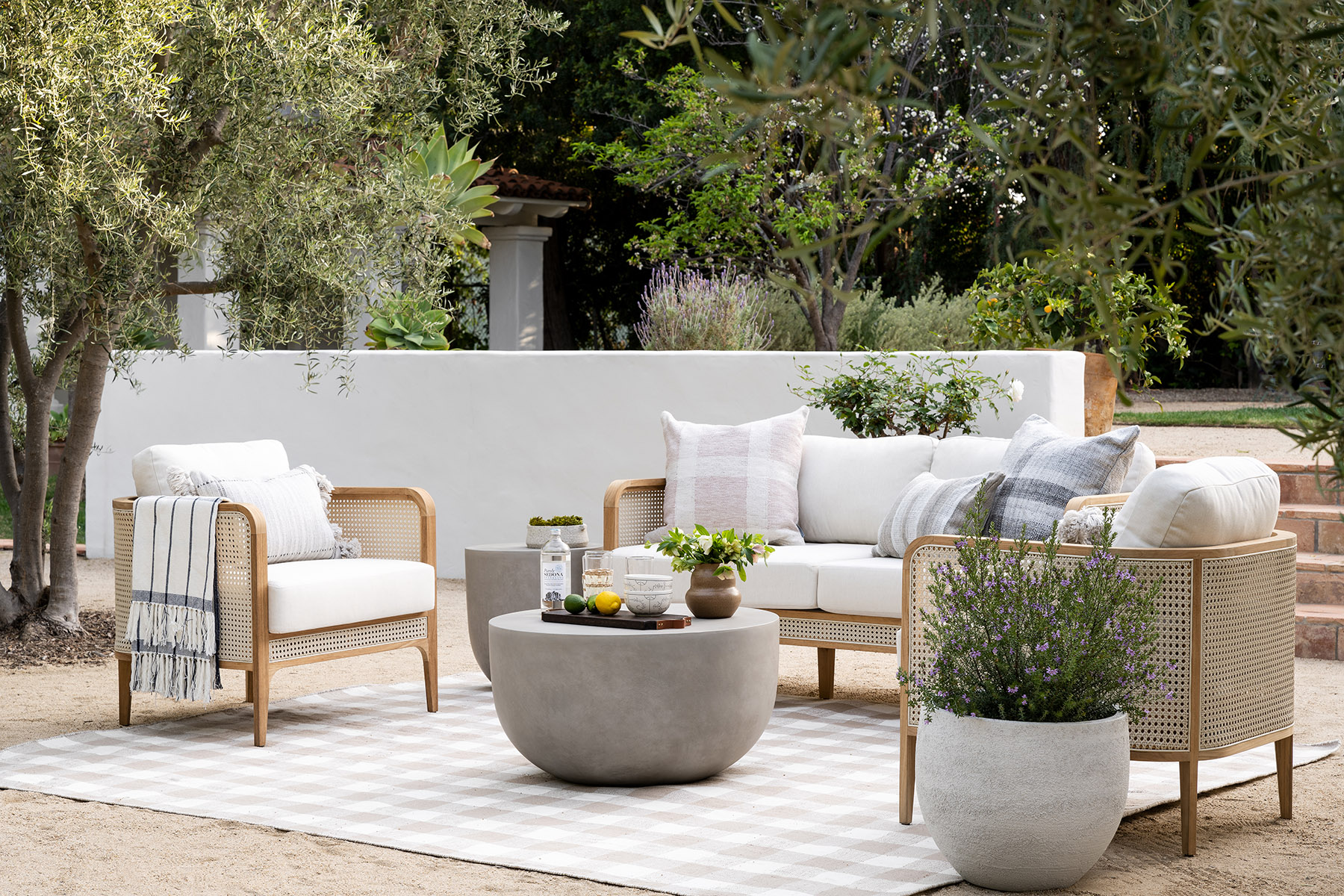
Creating an inviting outdoor area has become an essential part of contemporary home design, and thoughtful patio furniture ideas play a major role in shaping how that space feels and functions. A patio is no longer just an outdoor extension of the home but a place for relaxation, entertainment, work, and personal retreat. With the right approach to layout, materials, and styling, an outdoor space can feel just as intentional and comfortable as an indoor living room. This article explores a wide range of design perspectives, material choices, layout strategies, and seasonal considerations that help transform any patio into a purposeful and visually appealing environment.
Understanding the Purpose of Your Patio Space
Before selecting furniture, it is important to define how the patio will be used on a daily basis. Some homeowners envision a calm retreat for reading and relaxation, while others want an energetic social hub for gatherings. Defining this purpose allows patio furniture ideas to feel cohesive rather than cluttered. A patio designed for quiet evenings may benefit from deep seating and soft textures, whereas an entertainment-focused patio may prioritize flexible seating and durable surfaces. By clarifying intent early, the furniture choices naturally support the desired lifestyle without unnecessary additions.
Choosing the Right Furniture Materials for Longevity
Material selection is one of the most critical aspects of outdoor furniture planning. Weather exposure, temperature changes, and daily use all influence how long furniture will last. Wood offers a warm and natural aesthetic that works well in many design styles, but it often requires regular maintenance. Metal provides strength and a clean, modern look, while synthetic wicker blends durability with traditional charm. Thoughtful patio furniture ideas always consider the balance between appearance and practicality, ensuring that the furniture remains attractive and functional over time.
Seating Arrangements That Encourage Comfort and Conversation
Seating forms the foundation of any patio design. Comfortable chairs, sofas, and benches create a welcoming environment that encourages people to linger. Arranging seating to face inward rather than outward fosters conversation and connection. Modular seating has become increasingly popular because it adapts easily to different occasions. Whether hosting a group or enjoying a quiet afternoon alone, adaptable seating ensures that the space remains versatile. Well-planned patio furniture ideas focus on how people move and interact within the space rather than simply filling it with pieces.
Dining Areas That Extend the Home Outdoors
Outdoor dining spaces have become a natural extension of indoor kitchens and dining rooms. A sturdy table, comfortable chairs, and thoughtful placement create an environment that supports casual meals and special occasions alike. Size matters when designing a dining area, as overcrowding can reduce comfort and flow. Materials should be chosen for easy cleaning and resistance to outdoor conditions. When patio furniture ideas incorporate dining zones effectively, they enhance the usability of the patio and encourage more frequent outdoor meals.
Lounge Spaces for Relaxation and Leisure
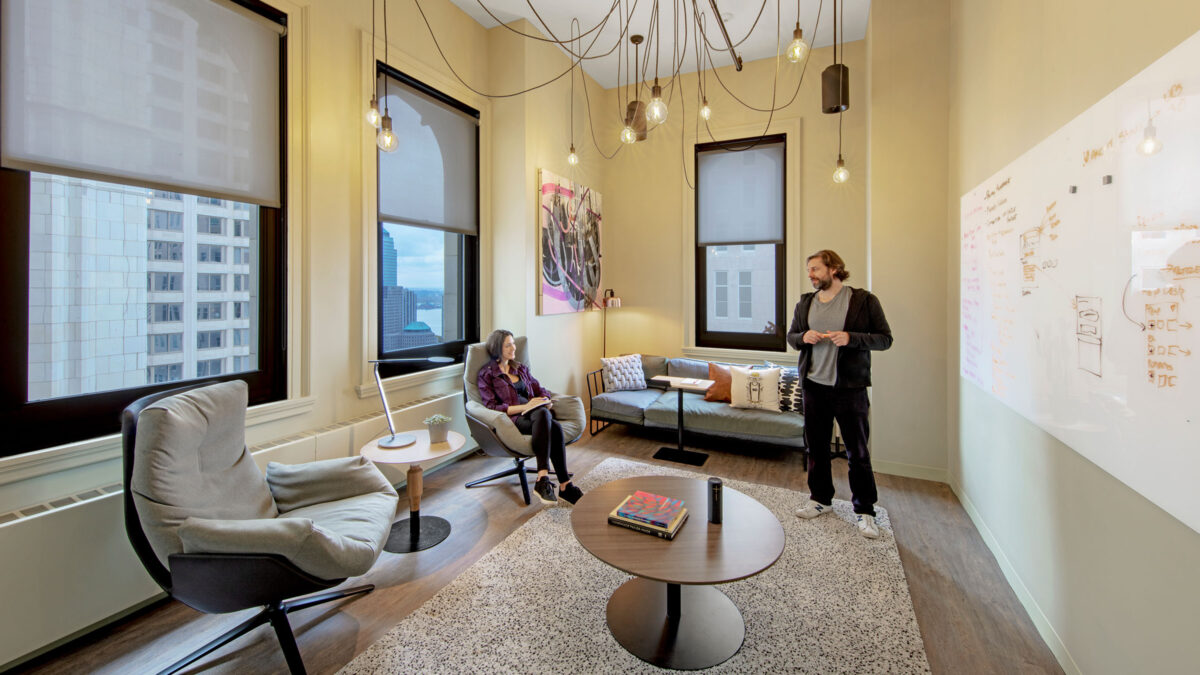
A patio lounge area brings the comfort of an indoor living room outdoors. Sofas, loungers, and low tables create a relaxed atmosphere ideal for unwinding. Soft cushions and textiles add warmth and personality while maintaining durability. Shade elements such as umbrellas or pergolas enhance comfort and make the lounge usable throughout the day. The most successful patio furniture ideas balance softness and structure, allowing the space to feel inviting without sacrificing resilience.
Small Patio Solutions That Maximize Space
Limited outdoor space does not mean limited design potential. Compact patios benefit from furniture that serves multiple purposes, such as benches with storage or foldable chairs. Visual openness can be achieved by selecting furniture with slim frames and light finishes. Vertical elements like shelving or wall-mounted features also help free up floor space. Smart patio furniture ideas for small areas focus on efficiency and proportion, ensuring that every piece contributes to both function and visual harmony.
Table Comparing Common Outdoor Furniture Materials
| Material Type | Visual Appeal | Maintenance Level | Durability |
|---|---|---|---|
| Wood | Natural and warm | Moderate to high | Moderate |
| Metal | Sleek and modern | Low to moderate | High |
| Synthetic Wicker | Classic and versatile | Low | High |
| Plastic | Casual and lightweight | Very low | Moderate |
Blending Indoor and Outdoor Design Styles
Modern outdoor design often mirrors indoor aesthetics, creating a seamless transition between spaces. Color palettes, textures, and furniture shapes can reflect the interior style of the home. This approach makes the patio feel like a natural extension rather than a separate zone. Consistency in design language strengthens the overall visual impact. When patio furniture ideas align with indoor decor, the entire living environment feels more cohesive and intentional.
Seasonal Adaptability and Furniture Flexibility
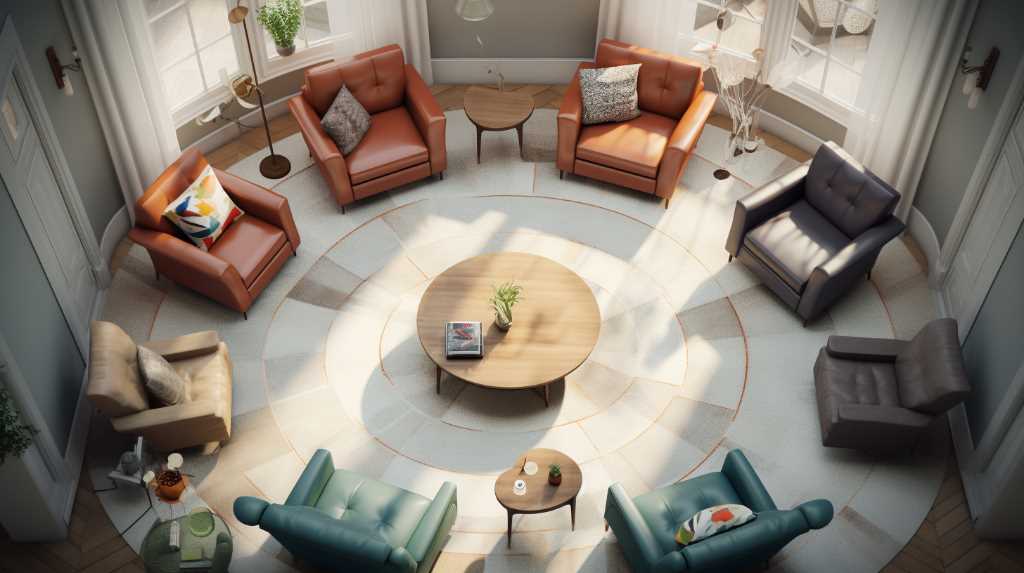
Outdoor spaces experience changing conditions throughout the year, making adaptability an important consideration. Furniture that can be easily rearranged or stored allows the patio to evolve with the seasons. Lightweight pieces are ideal for frequent adjustments, while stackable designs save space during off-seasons. Seasonal adaptability ensures that patio furniture ideas remain practical and enjoyable year-round rather than limited to a single period.
Color Schemes That Define the Mood
Color has a powerful influence on how a patio feels. Neutral tones create a calm and timeless environment, while bold colors add energy and personality. Mixing subtle base colors with vibrant accent pieces offers flexibility for seasonal updates. Cushions, throws, and decorative accessories are an easy way to refresh the look without replacing major furniture items. Effective patio furniture ideas use color strategically to set the desired mood and enhance the overall aesthetic.
Creating Zones Within a Large Patio
Larger patios offer the opportunity to divide the space into distinct zones. Dining, lounging, and relaxation areas can coexist without feeling disconnected. Visual cues such as rugs, planters, or changes in furniture style help define each zone. This approach prevents the space from feeling empty or overwhelming. Zoning allows patio furniture ideas to address multiple functions while maintaining a sense of order and flow.
Furniture Layouts That Support Movement
Traffic flow is often overlooked in outdoor design, yet it significantly affects usability. Furniture should be arranged to allow easy movement between areas without obstruction. Pathways should feel intuitive and open. Thoughtful spacing enhances comfort and safety while making the patio feel more spacious. Patio furniture ideas that consider movement create an environment that feels natural and user-friendly.
Table Showing Patio Furniture Styles and Their Characteristics
| Style | Overall Feel | Best For | Design Influence |
|---|---|---|---|
| Modern | Clean and minimal | Contemporary homes | Sleek lines |
| Rustic | Warm and organic | Natural settings | Earthy textures |
| Coastal | Light and airy | Relaxed patios | Soft colors |
| Traditional | Timeless and elegant | Classic homes | Balanced forms |
Incorporating Natural Elements Into Furniture Design
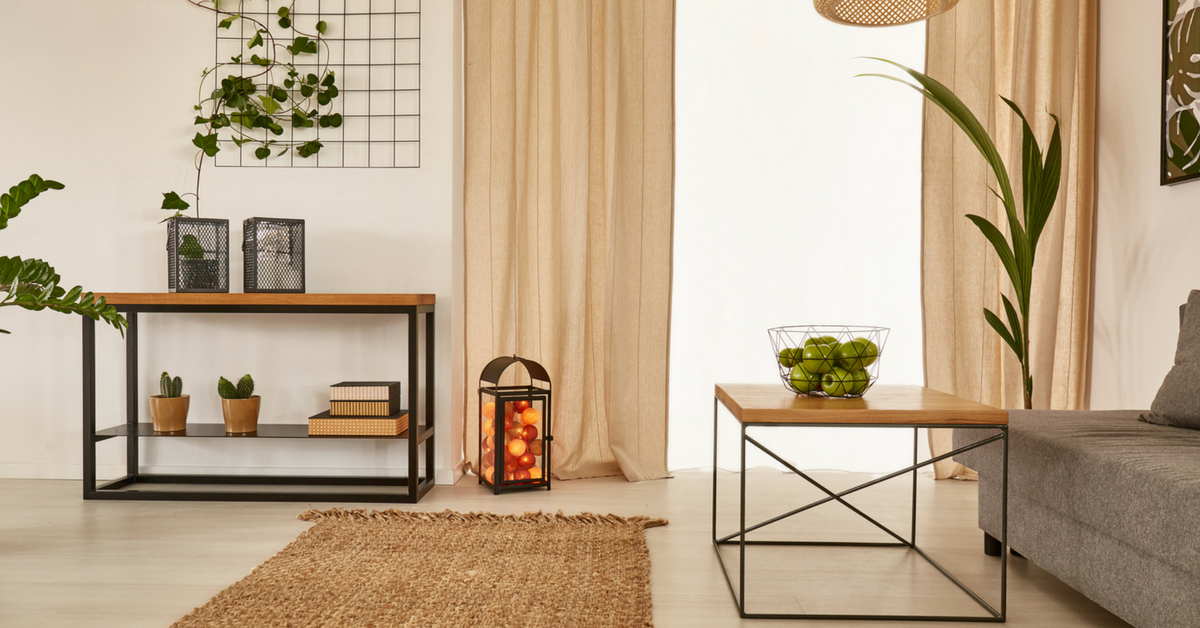
Nature-inspired elements enhance the connection between the patio and its surroundings. Wooden finishes, stone surfaces, and organic shapes create a harmonious relationship with the outdoors. Even metal furniture can feature curved lines that echo natural forms. Integrating these elements ensures that patio furniture ideas feel grounded and authentic rather than overly manufactured.
Lighting and Furniture Interaction
Lighting plays a supporting role in highlighting furniture and defining ambiance. Strategically placed lighting enhances seating areas and dining tables without overwhelming the space. Soft lighting complements furniture textures and colors, creating a welcoming atmosphere in the evening. The interaction between light and furniture adds depth and character, making patio furniture ideas effective both day and night.
Long Term Value and Investment Considerations
Outdoor furniture represents a long-term investment, and quality often outweighs quantity. Durable construction, reliable materials, and timeless design ensure that furniture remains relevant over the years. Choosing fewer high-quality pieces can be more effective than filling the patio with lower-quality items. Sustainable patio furniture ideas prioritize longevity, reducing the need for frequent replacement.
Personalization Through Accessories and Arrangement
Accessories bring individuality to a patio and allow homeowners to express personal style. Cushions, side tables, and decorative elements can be rearranged or updated with ease. Personal touches make the space feel lived-in and welcoming. Well-executed patio furniture ideas leave room for personalization rather than enforcing a rigid design.
Designing for Comfort Without Compromise
Comfort should never be an afterthought in outdoor design. Ergonomic seating, supportive cushions, and appropriate table heights contribute to a positive experience. Comfort encourages more frequent use and longer stays. Patio furniture ideas that prioritize comfort naturally enhance the value and enjoyment of the space.
The Evolving Role of the Patio in Modern Homes
The patio has evolved into a multifunctional living area that reflects modern lifestyles. It serves as a place for relaxation, connection, and creativity. Furniture choices define how this space is experienced and remembered. Thoughtful patio furniture ideas adapt to changing needs while maintaining a strong sense of identity.
Conclusion: on Creating the Perfect Patio
Designing a patio is an opportunity to blend creativity with practicality. By focusing on purpose, material quality, layout, and comfort, homeowners can create an outdoor space that feels both beautiful and functional. The most successful patio furniture ideas are those that evolve with lifestyle changes while maintaining a timeless appeal. When furniture supports how people live and connect, the patio becomes more than just an outdoor area, transforming into a meaningful extension of the home.
Read More:- Living Room Furniture Ideas for Modern Comfortable Homes