
Many older homes, particularly those constructed before the 1980s, may still contain asbestos in various building materials. This mineral fiber was widely used for its heat resistance and durability, making its way into numerous products that are common in residential construction. Identifying these potential sources is a key step in managing risks associated with asbestos exposure.
Textured Ceilings and Wall Finishes
One of the most recognizable places asbestos was used is in textured ceiling and wall treatments, often referred to as “popcorn ceilings.” These finishes were popular for their ability to hide imperfections and add a decorative element. The asbestos fibers were mixed into the material to provide fire resistance and texture. Disturbing these surfaces, such as during scraping or sanding for renovations, can release asbestos fibers into the air. Similar textured paints and patching compounds used on walls could also contain asbestos.
Vinyl and Asphalt Floor Tiles
Sheet flooring and the adhesive used to secure it, as well as individual vinyl and asphalt floor tiles, were common applications for asbestos. These materials were valued for their resilience and ease of maintenance. If your home has original flooring from the mid-20th century, it’s possible that asbestos is present. Removing these tiles or sanding them down can create airborne fibers. The backing of vinyl sheet flooring is another area where asbestos might be found.
Pipe and Boiler Insulation
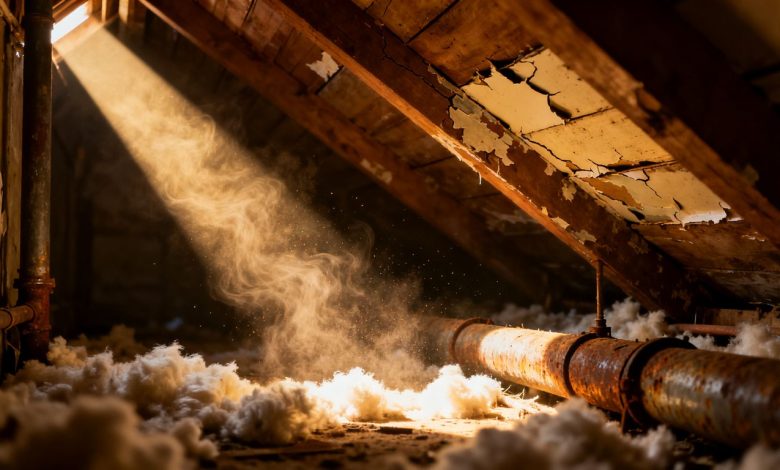
In older homes, insulation around hot water and steam pipes, as well as around boilers and furnaces, frequently contained asbestos. This material was applied as a wrap, tape, or cement to prevent heat loss and protect against fire. The fibrous nature of this insulation means that if it becomes damaged or crumbles, asbestos fibers can easily become airborne. This type of insulation is particularly concerning because it is often located in basements or utility areas that might be disturbed during maintenance or renovations. If you suspect your home has pipe insulation containing asbestos, it is best to consult with a professional.
Asbestos in Exterior Home Features
When considering asbestos in residential properties, the exterior of a home is another area where this material might be present, especially in older constructions. Many building materials used decades ago incorporated asbestos for its durability and resistance to fire and weather. If your home was built before the late 1980s, it’s wise to be aware of these potential locations.
Cement Siding and Roofing Materials
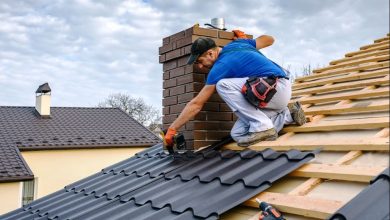
Asbestos-cement siding was a popular choice for homes due to its strength and low maintenance. These materials often appear as flat, grey sheets, sometimes with a corrugated texture, commonly found on garages, sheds, and older houses. Similarly, asbestos was mixed into roofing shingles and felt. While these materials are generally durable and don’t release fibers when intact, any damage, cutting, or drilling can disturb them, releasing hazardous fibers into the air. If you suspect your home has asbestos siding, understanding how to identify it and what contemporary alternatives exist is important for your safety.
Soffits, Fascias, Gutters, and Downpipes
Beyond siding and roofing, asbestos could also be found in other exterior components. Soffits (the underside of eaves), fascias (the boards that run along the roofline), and even older gutter and downpipe systems might have contained asbestos-containing materials. These were often made from asbestos-cement. Like siding and roofing, these parts are typically non-friable, meaning they don’t easily crumble. However, if they become damaged or are disturbed during maintenance or replacement, asbestos fibers can become airborne. Identifying these materials can be tricky; asbestos-cement shingles, for instance, have a distinct texture and will snap rather than bend if broken. It’s always best to err on the side of caution and consult a professional if you have concerns about these exterior features.
Hidden Asbestos in Home Systems
Beyond the more obvious places, asbestos can also be lurking within the operational systems of older homes. These components, often out of sight and mind, were frequently constructed with asbestos-containing materials for their insulating and fire-resistant properties. It’s important to be aware of these hidden dangers to protect your family from potential harm.
Attic Insulation Materials
Many homes built before the 1980s utilized loose-fill insulation in their attics that contained asbestos. This material often appeared as fluffy, fibrous, or granular substances, sometimes mixed with vermiculite. If disturbed, these fibers can easily become airborne and settle throughout the house. The presence of asbestos in attic insulation is a significant concern because it can be easily released during any activity in the attic, such as storage or repairs.
Water Tanks and Cisterns
Older water storage tanks and cisterns, particularly those made of cement or steel, might have been insulated with asbestos materials. This was done to help maintain water temperature and prevent freezing. The insulation could be a cementitious coating or a wrap around the tank. If these materials are damaged or deteriorating, asbestos fibers could potentially contaminate the water supply or the surrounding area.
Electrical Fuse Boxes
In older homes, electrical systems, especially fuse boxes, sometimes incorporated asbestos-containing materials. These were used as insulating panels or barriers within the fuse box itself to provide fire resistance. While less common than other applications, the potential for asbestos exposure exists if these components are damaged or during any electrical work on the system. If you suspect asbestos in your home, it’s best to leave it undisturbed and contact a professional for testing.
Understanding Asbestos in Vintage Products
Older Appliances and Fixtures
Many appliances and fixtures from decades past might still contain asbestos. Manufacturers used this mineral for its heat resistance and durability. Think about older ovens, clothes dryers, and even some refrigerators. These items, especially those made before the 1980s, could have asbestos in their components. It’s important to remember that even if an appliance looks fine, its internal parts might be a different story. If you’re considering buying or restoring vintage appliances, it’s wise to be aware of this potential hazard. Some Bakelite items, often found in older electrical fixtures, also contained asbestos [94b0].
Gaskets and Seals in Heating Systems
Heating systems in older homes are another area where asbestos might be hiding. Gaskets and seals within boilers, furnaces, and water heaters were often made with asbestos-containing materials. These components were designed to withstand high temperatures and prevent leaks. Over time, these materials can degrade, especially if the heating system is old or has been disturbed. If you notice any crumbling or powdery material around your heating system, it’s best to have it checked by a professional. This is particularly true for systems installed before the widespread phase-out of asbestos in the late 1980s. Many common building materials from that era, including those used in heating systems, could contain asbestos [4a53].
Identifying Potential Asbestos Risks
Materials Used Before the 1980s
Many homes built before the 1980s likely contain asbestos-containing materials. This was a common additive in a wide range of building products for its fire-resistant and insulating properties. If your house was constructed during this period, it’s wise to be aware of the potential presence of asbestos. Identifying these materials often relies more on the construction date than visual inspection, as asbestos fibers are microscopic and mixed within the product itself. This means that even materials that look ordinary could pose a risk.
The Importance of Professional Testing
It is nearly impossible to tell if a material contains asbestos just by looking at it. The only way to know for sure is through laboratory testing. Attempting to identify asbestos yourself can be dangerous, as disturbing the material can release harmful fibers into the air. Always rely on trained professionals for testing. They have the proper equipment and knowledge to safely collect samples and send them for analysis. This professional assessment is key to understanding the actual risks in your home and is a necessary step before any renovation or repair work is considered.
Recognizing Damaged or Deteriorating Materials
While asbestos-containing materials in good condition may not pose an immediate threat, damage or deterioration can change that. When these materials break down, they can release asbestos fibers. Keep an eye out for:
- Materials that are crumbling, flaking, or turning to powder.
- Surfaces that show signs of wear, such as fraying insulation or cracked tiles.
- Any situation where the material has been drilled, cut, or sanded, as this action releases fibers.
If you notice any of these signs, it’s best to avoid disturbing the area and contact a qualified asbestos professional immediately. They can assess the situation and recommend the safest course of action, which might involve abatement or encapsulation.