
Introduction
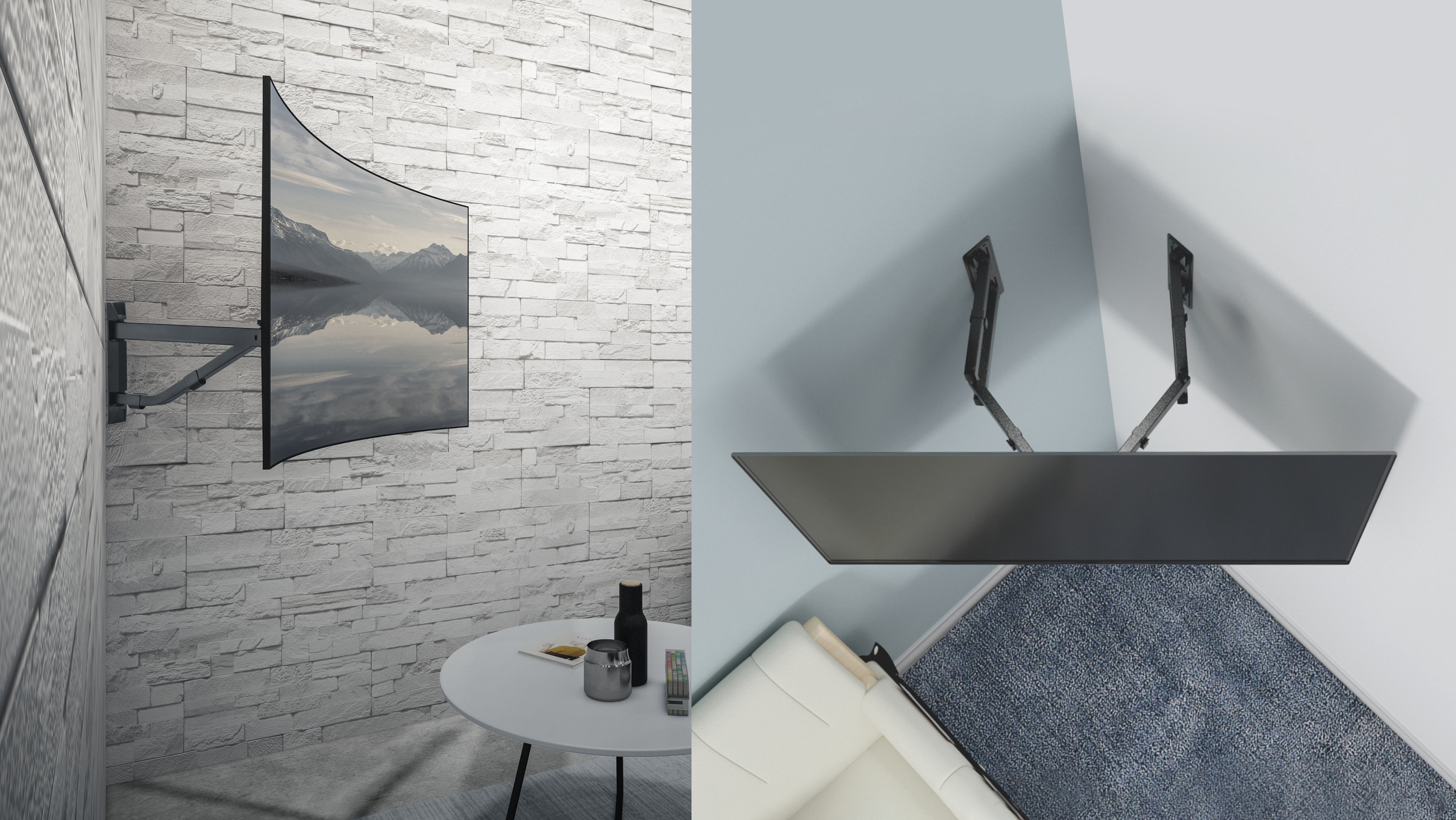
Modern houses need furniture that looks well and works well, and the corner tv stand is a great example of this. People who own homes want solutions that make the most of every inch of space without sacrificing style as living spaces becoming smaller and more useful. A TV is frequently the most important thing in a room, but it can be hard to find a good spot for it when there isn’t much wall space. A corner TV stand is a smart choice since it uses a section of the space that is typically ignored while yet keeping the room balanced and symmetrical.
Putting a TV in a corner isn’t a new idea, but modern designs have made it an attractive part of the room. Corner television furniture now fits nicely with a wide range of styles, from sleek modern pieces to traditional wooden ones. It makes traffic flow better, gives you a comfortable place to watch, and frees up wall space for art, shelves, or windows.
The Development of Corner TV Furniture in Interior Design
Furniture design has changed a lot throughout the years because of changes in technology, lifestyle, and how spaces are planned. The first TV cabinets were big and meant to completely hide the TV. As flat displays became more popular, furniture changed to show off the gadget instead of hiding it. The corner TV stand was made because living rooms were getting smaller and people needed more flexible layouts.
Interior designers stopped seeing corners as useless spaces and started seeing them as useful spaces. Furniture producers made corner-specific items that support modern devices, provide storage, and improve the flow of the area as they learned more about how rooms are shaped. These days, these stands are made with ventilation, cable management, and comfortable viewing angles in mind, which makes them a must-have for any modern living room.
Why a Corner TV Stand is a Good Idea for Modern Homes

One of the best reasons to choosing a corner-based TV unit is that it saves space. In many cases, corners go underused, which means that square footage is squandered. Homeowners might make more room for sitting or decorative items by putting the TV in a corner.
Another benefit is that the room will feel more balanced. A television in the middle of the wall might make the space feel heavy on one side. A corner TV stand makes the room look more balanced by spreading out the apparent weight. It also lets you configure the chairs in a semi-circle, which makes for a more comfortable and private watching experience.
In homes with open floor designs, putting furniture in a corner helps delineate areas without the need for walls. The TV area doesn’t feel like it gets in the way; instead, it feels like it was planned, which makes the layout cleaner and more ordered.
Different Kinds of Corner TV stand Designs
There are many distinct designs of corner TV furniture, each one designed to fit different tastes and demands. Traditional designs frequently use solid wood and rich finishes that make a room feel warm and give it character. These are great for classic or rustic homes where craftsmanship and texture are important.
Modern and contemporary styles like clean lines, few decorations, and materials such engineered wood, metal, and glass. These stands usually have floating shelves, hidden drawers, and streamlined profiles that go well with minimalist decor.
There are also hybrid designs that mix open and closed storage. These let homeowners show off ornamental items while hiding cables and other accessories. Models that can be rotated or adjusted add versatility, which makes them great for rooms that need to serve more than one purpose and where viewing angles may change.
The Materials Used in Corner TV stands and How they affect Them
The type of material used to make a corner TV stand has a big impact on how long it lasts, how it looks, and how easy it is to clean. People still like solid wood since it is strong and looks good no matter what. It adds a natural warmth to rooms and can last for decades if you take care of it. But it is usually heavier and costs more than other choices.
MDF and plywood are examples of engineered wood that look good and are less expensive than other options. These materials make it easier to get clean surfaces and more design options. They are lighter and easy to personalize, which makes them a good fit for modern households.
Metal and glass are often utilized together in modern homes. Metal frames give the structure strength, while glass shelves make it feel more open and light. These materials are great for tiny rooms because they cut down on visual clutter, but you need to clean them often to keep them looking nice.
Picking the Right Size and Shape
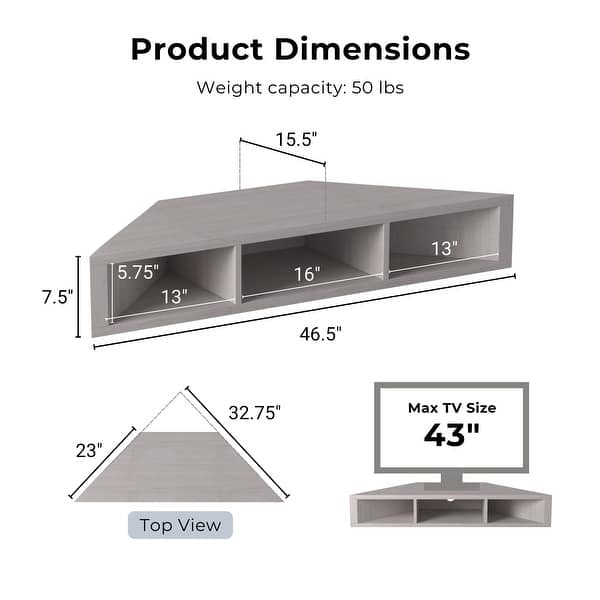
Choosing the right size for a corner TV stand is important for both looks and comfort. The stand should fit the size of the TV without making the room feel too small. If the unit is too big, it can make the corner feel claustrophobic. If it’s too little, it can look unbalanced and unstable.
The height of the stand is also quite important for how comfortable it is to watch. When you sit down, the center of the TV screen should be at eye level. This makes it easier on your neck and improves the entire viewing experience. Carefully measuring the corner space makes sure that the stand fits perfectly and doesn’t block doors, windows, or walkways.
The size of the room should help you make your final choice. In small living rooms, open shelves and simple designs help keep the room feeling open. Larger rooms can hold bigger pieces that have more storage and decorative features.
Benefits for Storage and Organization
One of the less well-known benefits of a corner TV stand is that it may help you store things in sensible ways. Many designs have cupboards, drawers, and shelves that help keep media devices, remote controls, and other accessories in order. This maintains the space for amusement clean and clear of clutter.
Another important aspect is cable management. Modern platforms have built-in channels or hidden compartments that keep wires and cords out of sight. This not only makes things look better, but it also makes them safer by lowering the risk of tripping and shielding cables from harm.
Extra storage can hold books, games, or ornamental objects for families, making the stand a piece of furniture that can be utilized for more than one thing.
Mixing with Different Styles of Rooms
A corner TV stand that fits your design can go with a lot of different types of decor. very minimalist rooms, simplistic designs with neutral finishes blend very easily with the background, letting the TV be the main focus without any distractions.
A stand with a unique finish or texture adds character and charm to eclectic or bohemian interiors. For homes with an industrial flair, units with metal accents and rough finishes add to the tough look.
Putting a TV in the corner can help bedrooms, home offices, and even kitchens. Smaller, lighter designs are best for secondary rooms since they make the space useful without making it feel too crowded.
Table One: The Most Common Types of Corner TV Stands and Where to Put Them
| Design Style | Visual Character | Best Room Setting |
|---|---|---|
| Traditional Wood | Warm and classic | Living rooms with vintage décor |
| Modern Minimal | Sleek and clean | Apartments and small homes |
| Industrial | Bold and raw | Urban lofts |
| Transitional | Balanced and versatile | Family living spaces |
Things to think About When Installing and Placing
Proper placement makes things easier to use and safer. To make sure it stays stable, the stand should be on a flat surface, especially when holding up big screens. Putting it out of direct sunlight helps keep glare at bay and keeps the TV safe from heat.
To avoid having ugly extension cords, electrical outlets should be easy to get to. Ventilation is also quite crucial, especially for designs that are closed off and hold electronic parts. Adequate airflow keeps gadgets from getting too hot and makes them last longer.
If you have kids or dogs, you can keep the TV and stand from tipping over by securing them. Some versions have wall anchors or anti-tip devices to make you feel safer.
How to Take Care of and Maintain Your Corner TV Stand

The upkeep needs depend on the finish and material. To keep their shine, wooden units should be dusted regularly and polished every now and then. Keeping things dry helps keep them from warping or changing color.
To keep glass surfaces clear and free of streaks, they should be cleaned with the right solutions. To keep the structure strong, you may need to tighten screws on metal parts from time to time.
Routine upkeep not only maintains the stand looking good, but it also makes sure it will work well and be safe for a long time.
Choices that are Good for the Environment and Last Long
As eco-friendliness becomes more important in interior design, many homeowners are looking for furniture that is good for the environment. Some corner TV stands are manufactured from wood that was responsibly harvested or materials that have been repurposed. Low-emission coatings and non-toxic glues help make the air within healthier.
Choosing furniture that is well-made and will last a long time also helps the environment by cutting down on the need to replace it often. A classic design can change with the times, which makes the piece last longer.
Table Two: A Comparison of the Materials Used in Corner TV stands
| Material | Durability | Maintenance Level | Visual Appeal |
|---|---|---|---|
| Solid Wood | High | Moderate | Classic and rich |
| Engineered Wood | Medium | Low | Smooth and modern |
| Metal and Glass | Medium | High | Sleek and airy |
Planning a Budget and thinking About Value
When buying a corner TV stand, you should think about both the price and the quality. Entry-level versions include simple features and are good for temporary or extra spaces. Mid-range choices usually include superior materials, more storage space, and more polished finishes.
Premium designs put an emphasis on quality, longevity, and cutting-edge functionality. They frequently offer better long-term value since they last longer and are always in style, even though they cost more up front.
You may find the best solution without paying too much by looking at your demands, the size of the room, and your lifestyle.
What Will Happen Next in Corner TV Stand Design
As technology changes, so does the way furniture is made. As TVs get thinner and smarter, stands are changing too. They now have built-in charging stations, adjustable mounts, and modular parts. More and more people are using smart storage solutions and layouts that can be changed.
Design trends are also moving toward furniture with softer edges, natural finishes, and many uses. As long as people want to make the most of their space and have a unified design, the corner TV stand will still be useful.
In conclusion, a Corner TV Stand is Always in Style
A well-chosen corner TV stand is more than simply a piece of furniture; it’s a design feature that makes things more comfortable, organized, and visually balanced. By using corners that aren’t being used, it makes the most of the space and creates a stylish entertainment area that fits with modern living.
Every part of it, from the choice of materials to the placement and upkeep, adds to its overall effect. This furniture choice is versatile and will never go out of style, whether you live in a little apartment or a large family home. Interior design is still focused on clever layouts and meaningful design, and the corner TV stand is still a useful and elegant choice for modern houses.
Read More:- Choosing the Perfect TV Stand for a 65 Inch TV at Home