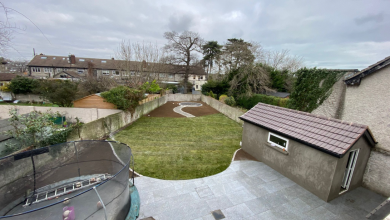


Outdoor construction projects seem simple at first glance, but anyone who has ever attempted to build a patio, deck, or backyard structure knows the truth. Outdoor construction sequencing is the process of determining the correct order of operations so that everything fits together properly. If the correct sequence is followed, there are no problems with wasted time or money.
Why Sequencing Matters More Outdoors Than Indoors
In a building, things are more under control. However, outside, the weather, soil, and access may vary and affect the project. The construction sequence outside helps in avoiding problems like:
- Rainfall turns the soil into mud, making it impossible to move machinery over it
- Foot traffic damages concrete that was just poured
- Landscaping is destroyed to fix the wiring installed underneath it
These are just a few examples of the problems that may arise if the proper sequence of steps is not followed.
Trade Coordination: Why Teams Must Work Together
Outdoor constructions usually require many workers for the various tasks involved. Each of these groups, such as the people who build structures, install pipes, or develop gardens, has a specific role to play. Unless these people communicate effectively, something is bound to go wrong. For instance:
- When the plumber starts work before the gardener, he might have to dig up the soil again.
- When the builder starts work before the soil is leveled, he might be slower and less effective in his work.
Trade coordination means all teams know their job and when to do it. This helps prevent delays and rework.
What Happens When a Construction Order Is Ignored
If construction tasks are not properly sequenced, even minor outdoor construction activities can lead to project delays and rework. Some of the problems include: Some of the common issues that may arise if proper project sequencing is not followed are:
- Project sequencing confusion: People show up before their portion of the construction site is ready
- Scheduling conflicts: Delays with materials or labor have a domino effect
- Quality control problems: Finished work gets damaged by other workers or the weather.
For example, if the landscaping is finished before installing utilities, workers may have to remove the newly installed grass or plants to correct a mistake made below
Site Preparation: The First Step in Outdoor Projects
Good outdoor construction sequencing begins with good site preparation, which includes clearing the site of debris, leveling, and ensuring proper drainage. Without good site preparation, the remaining steps become more difficult and dangerous to undertake.
Why Site Preparation Matters
Site preparation is more than just cleaning the place. It is also checking the ground for rocks, roots, or slopes. These could cause problems if they are not considered in the planning stage. Another thing to consider in a good plan is the weather. During the wet season, digging and laying concrete can be a tough task.
- Poor site preparation could result in uneven foundations or unstable sites
- Fixing these could cause more work and more delays
Common Outdoor Sequencing Mistakes
If there are mistakes in the installation order, these will have long-lasting effects. Some of the most common mistakes include:
- Pouring of concrete before grading the land
- Installation of irrigation systems after landscaping is done
- Failing to consider the weather forecast during installation planning
Installation Order: Small Mistakes, Big Impact
The installation order is important as it affects the budget and time required for a given installation plan. For instance:
- The installation of fencing before heavy equipment is brought to the site means that the fence might be destroyed.
- The installation of sod before outdoor lighting is done means that the grass might be destroyed later.
Maintaining a proper installation order saves money and time spent on a given installation plan. Each of the above mistakes will lead to challenges in rework prevention.
How Proper Sequencing Reduces Delays
The right construction workflow means that everything happens at the right time to support the next step. It also means that no one is getting in anyone else’s way. There are many benefits of a proper construction workflow. They include:
- No interference from other tasks
- Less damage to already completed work
- Predictability of the construction schedule
Detailed planning documents, often shared through platforms like waytogobuilders.com, can help illustrate how sequencing decisions affect the entire construction timeline.
The Role of Oversight and Coordination
Trade coordination is also important to track time. Good communication between the teams ensures that everyone is aware of when their turn is and what needs to be completed first. This prevents:
- Missing steps
- Scheduling conflicts between trades
- Work is being redone due to misunderstandings
Regular meetings and updates also help to identify issues before they become bigger problems.
Rework Prevention: Doing It Right the First Time
Rework occurs when something must be repaired or rebuilt. This is a waste of time and money. Outdoor construction sequencing helps eliminate rework by ensuring that each step is inspected before proceeding. For example:
- Foundation levels are inspected before erecting walls.
- Wires and pipes are inspected before covering them with dirt or concrete.
Checking each step helps prevent expensive mistakes that can happen if the project moves forward without careful review.
Quality Control Through Sequencing
Quality control does not just involve inspecting the finished project. This process occurs at each step of the outdoor construction sequencing process. This helps eliminate costly mistakes by catching them early in the process.
Conclusion: Sequencing is the Silent Hero
Most of the outdoor construction headaches arise due to a lack of order. By paying attention to the right order, homeowners and builders can avoid construction delays, protect their investments, and attain better results. In outdoor construction, the right order is as important as the right materials and the right design.