Curved TV Technology Guide for Immersive Home Entertainment


Introduction
The evolution of television design has always been shaped by the desire to create a more engaging and immersive viewing experience. From bulky box-style sets to ultra-thin flat panels, innovation has steadily transformed how people interact with visual media. One of the most distinctive developments in this journey is the curved tv, a design concept that challenges the traditional flat screen by gently bending the display toward the viewer. This approach was inspired by natural human vision, which perceives the world in a subtle curve rather than a perfectly straight plane. As manufacturers experimented with new display technologies, the curved format emerged as an attempt to make home viewing more cinematic and absorbing, especially for movies, sports, and gaming.
The Concept Behind Curved Displays
The idea of curvature in screens originates from large-scale cinema and professional monitors, where curved projection surfaces help maintain consistent focus across the viewer’s field of vision. Translating this concept into consumer electronics required advancements in panel manufacturing and structural engineering. A curved tv is designed so that the edges of the screen are slightly closer to the viewer than the center, theoretically reducing distortion and making peripheral content easier to perceive. This design aims to create a sense of depth and realism that mimics the way the human eye naturally scans wide scenes, especially when sitting directly in front of the display.
Visual Immersion and Viewing Experience

One of the most frequently discussed aspects of a curved tv is its promise of enhanced immersion. When positioned correctly, the curved screen can make viewers feel as though the image wraps around them, drawing attention inward rather than outward. This effect is particularly noticeable when watching widescreen movies or playing story-driven video games where environmental details matter. The curvature can also minimize reflections from ambient light sources, as light tends to scatter away from the viewer instead of reflecting straight back. For individuals who enjoy focused, front-facing viewing sessions, this design can feel more engaging than a standard flat display.
Screen Size and Optimal Viewing Distance
The effectiveness of a curved tv largely depends on screen size and viewing distance. Larger displays tend to benefit more from curvature because the wraparound effect becomes more pronounced. On smaller screens, the curve may appear subtle and offer limited practical advantage. Manufacturers often recommend specific seating distances to experience the intended visual benefits, emphasizing that viewers should sit centrally for the best results. When positioned correctly, the curvature can create a balanced viewing field, but when viewed from extreme angles, the image may appear distorted or uneven, which highlights the importance of room layout in determining satisfaction.
Curved TV Versus Flat Screen Design
Comparing a curved tv to a flat screen involves considering both aesthetics and functionality. Flat screens are versatile and suit a wide range of room arrangements, making them easier to mount on walls or view from multiple seating positions. Curved displays, on the other hand, make a bold visual statement and often become a focal point in modern interiors. While flat screens excel in flexibility, curved designs prioritize a more personalized viewing experience. This contrast has fueled debates among consumers, with some valuing immersion and style, while others prefer practicality and consistency across different viewing angles.
Impact on Picture Quality and Depth Perception
Picture quality is influenced by resolution, panel type, and processing technology, but the shape of the screen can also play a role. A curved tv can enhance perceived depth by subtly altering how images are presented to the eyes, creating a more three-dimensional feel even without specialized content. Colors may appear richer toward the center of the screen, and contrast can feel more uniform when viewed head-on. However, these benefits are most noticeable in controlled environments, where lighting and seating positions align with the design intent of the curved format.
Gaming and Interactive Entertainment Benefits
For gamers, immersion is a critical factor in enjoyment and performance. A curved tv can enhance gaming experiences by pulling players deeper into virtual worlds, especially in racing, simulation, and open-world genres. The curved edges help maintain visual continuity, making it easier to track fast-moving elements across the screen. This design can also reduce eye strain during extended gaming sessions, as the eyes move more naturally across a curved surface. Competitive gamers, however, may still prefer flat screens for their predictable geometry and uniform response across all viewing angles.
Sports and Live Broadcast Viewing

Watching live sports on a curved tv can feel more dynamic, particularly for events that involve wide fields or courts. The curvature can help maintain focus across the screen, allowing viewers to follow action without constantly shifting their gaze. Stadium shots and panoramic camera angles benefit from this design, as the screen’s shape enhances the sense of scale. That said, group viewing scenarios may reveal limitations, since viewers seated off-center may not experience the same level of immersion or visual consistency as those positioned directly in front.
Design Aesthetics and Home Décor Integration
Beyond performance, a curved tv is often chosen for its distinctive appearance. The sleek, futuristic profile can complement contemporary interiors and add a sense of luxury to living spaces. When placed on a stand, the curved design naturally draws attention, creating a centerpiece effect. Wall mounting is possible, but the curve can protrude slightly more than flat screens, which may influence placement decisions. For homeowners who prioritize design harmony, the visual impact of a curved display can be a decisive factor.
Installation and Space Considerations
Installing a curved tv requires thoughtful planning to maximize its benefits. Seating arrangements should align with the screen’s center to maintain consistent viewing quality. Room size, lighting conditions, and furniture placement all influence the overall experience. While curved displays can reduce glare, they may also require more precise positioning to avoid reflections from windows or overhead lights. Proper installation ensures that the curvature enhances rather than detracts from the viewing experience.
Limitations and Common Criticisms
Despite their appeal, curved displays are not without drawbacks. One common criticism is limited viewing angle performance, as image quality can degrade when viewed from the side. Another concern involves content compatibility, since most media is produced with flat screens in mind. While modern processing can adapt images effectively, some viewers feel that the benefits of curvature are subtle rather than transformative. Cost has also been a factor, as curved designs have traditionally commanded higher prices due to manufacturing complexity.
Market Trends and Consumer Adoption
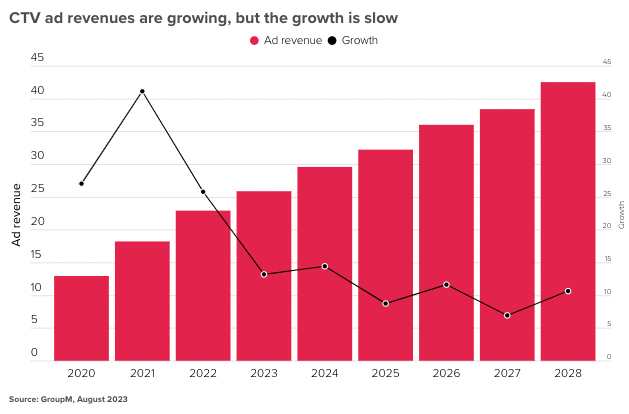
The popularity of the curved tv has fluctuated over time, influenced by shifting consumer preferences and technological advancements. Early enthusiasm was driven by novelty and premium positioning, but widespread adoption faced challenges as flat screens continued to improve. Today, curved displays occupy a niche market, appealing to users who value immersive, single-viewer experiences. As display technology evolves, manufacturers continue to explore ways to enhance curvature benefits while addressing practical concerns.
Technological Advancements Supporting Curved Screens
Advances in panel technology, such as improved OLED and LED manufacturing techniques, have made curved designs more feasible and reliable. These innovations allow for thinner, lighter displays with consistent brightness and color accuracy across the curved surface. Enhanced processing algorithms also help optimize image scaling and reduce distortion, ensuring that content appears natural and engaging. As technology progresses, the gap between curved and flat display performance continues to narrow.
Health and Comfort Considerations
Visual comfort is an important factor in long-term television use. A curved tv can promote a more natural viewing posture by aligning the screen with the viewer’s field of vision. This alignment may reduce eye fatigue during extended viewing sessions, particularly in dimly lit environments. While individual experiences vary, some users report greater comfort when watching curved displays, especially when seated at the recommended distance and angle.
Future Outlook for Curved Television Design
The future of curved television design depends on consumer demand and ongoing innovation. While flat screens remain dominant, curved formats continue to inspire experimentation in immersive display concepts. Emerging technologies, such as flexible and rollable screens, may incorporate curvature in new and dynamic ways. As home entertainment increasingly emphasizes personalization and immersion, the principles behind curved design may influence future products beyond traditional televisions.
Conclusion and Overall Perspective
The curved tv represents a bold approach to redefining how people experience visual content at home. By prioritizing immersion, depth, and aesthetic appeal, this design offers a unique alternative to conventional flat screens. Its strengths shine in focused viewing scenarios, where seating and environment align with the intended design. While it may not suit every household or viewing style, the curved tv remains an important chapter in the evolution of display technology, demonstrating how form and function can intersect to shape modern entertainment experiences.
Read More:- Samsung Curved TV Buying Guide, Features, Benefits and Use